
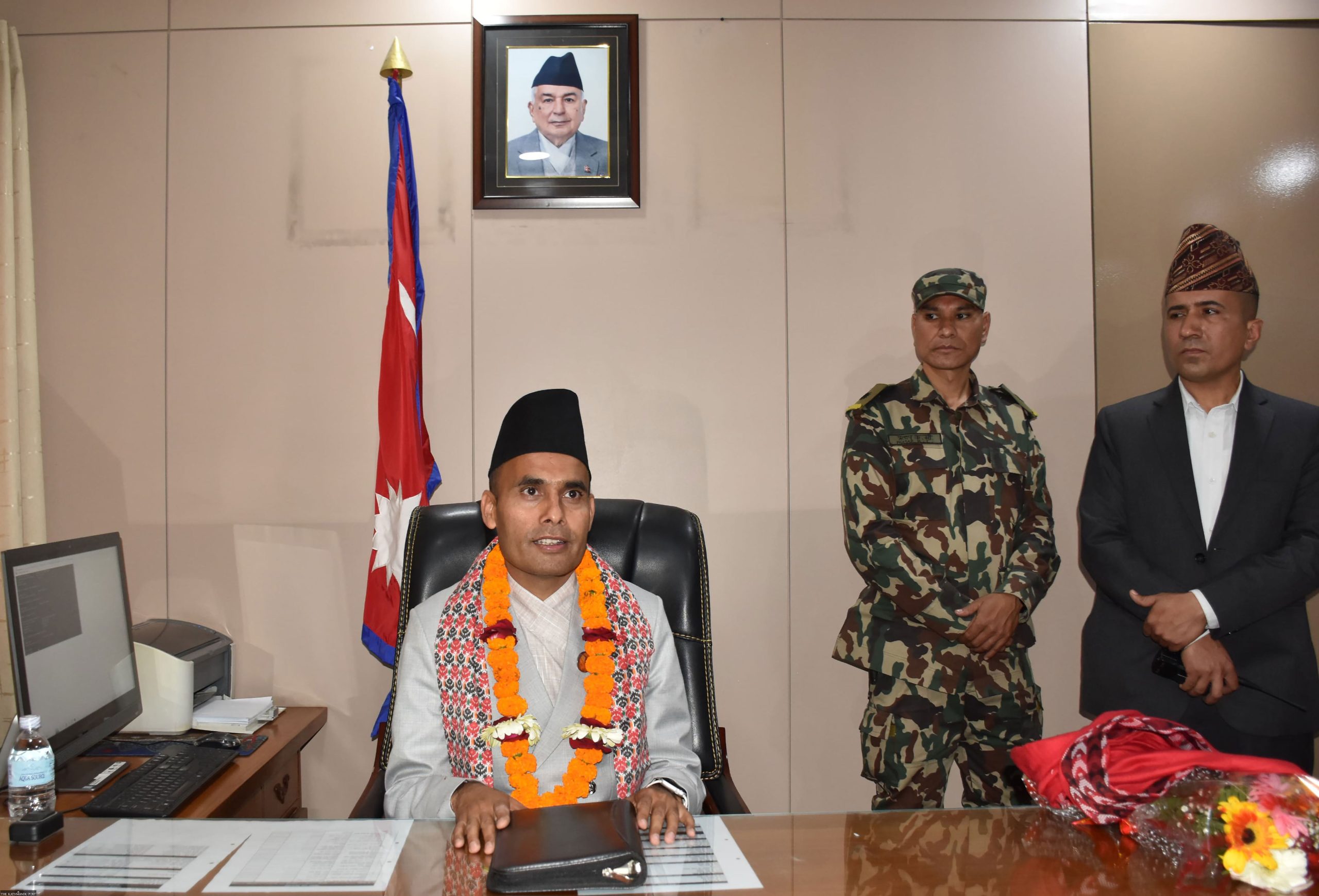
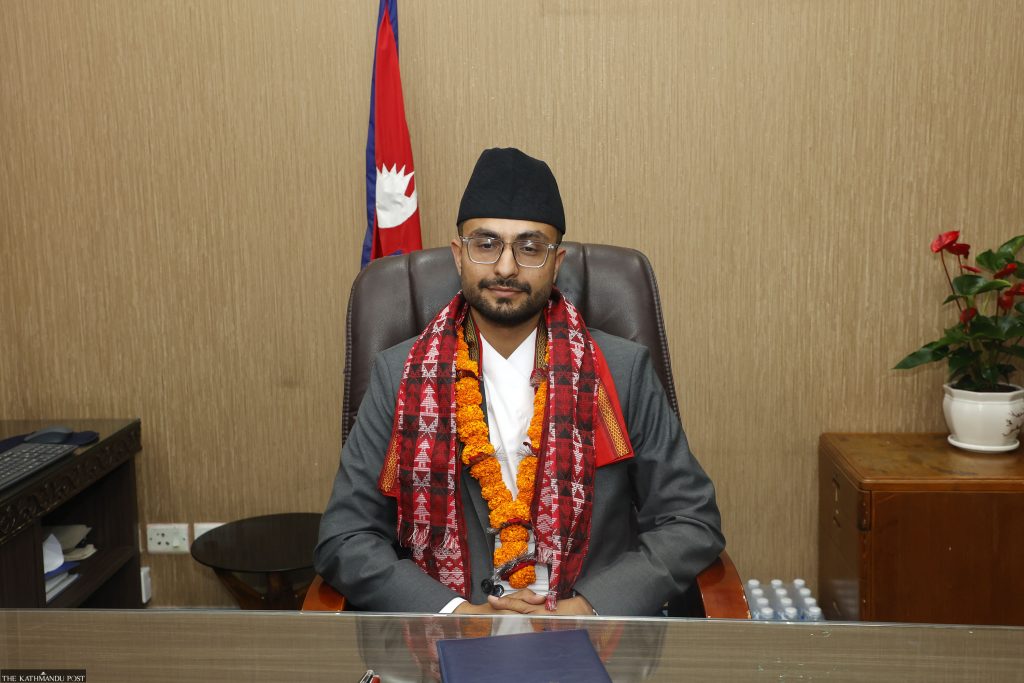
Kathmandu, March 28 — Bikram Timilsina, an expert in media, has been appointed to lead the Ministry of Communications and Information Technology. This ministry is in charge of supervising key organizations.
Nevertheless, analysts point out that his absence of hands-on managerial experience in managing major telecommunications and regulatory organizations might make decision-making more challenging in an industry already facing ongoing conflicts.
Experts caution that relying solely on social media regulation might present significant difficulties. Several international platforms have pushed back against Nepal’s tax system. For example, TikTok has refused to pay local VAT, claiming that taxes are already handled via intermediaries like Google and Apple. This highlights a larger issue Nepal encounters in ensuring adherence from global technology companies.
The situation becomes more complex due to political tensions. US President Donald Trump has consistently cautioned about counteractions against nations that implement digital service taxes. Nepal currently applies a 2 percent digital service tax and a 13 percent VAT on these platforms. Achieving a balance between global pressures and local regulatory requirements will demand precise adjustment.
A telecom specialist, Anand Raj Khanal, states that Nepal’s regulation of social media is chaotic, lacking a defined strategy from leading political parties. He contends that forceful methods, like warning of platform shutdowns, are not effective. Rather, he recommends continuous diplomatic efforts to ensure companies designate local representatives and adhere to national regulations.
Timilsina’s minimal involvement in global regulatory discussions might pose challenges in these interactions. Meanwhile, outstanding telecommunications issues keep accumulating. These consist of the renewal of Ncell’s license, inefficiencies in Nepal Telecom’s billing system, and conflicts between internet service providers regarding taxes and infrastructure sharing.
Khanal characterizes the industry as facing a critical crisis, cautioning that any choice might lead to political and legal consequences. He emphasizes Ncell’s future as especially delicate. If the firm restricts its activities to the existing license, which expires in 2029, it might reduce its investments, possibly lowering service standards and affecting customers. These results could also negatively impact Nepal’s reputation with international investors.
According to Khanal, clear policies and prompt decisions regarding license renewals and ownership transfers are crucial for sustaining investor trust.
In addition to telecommunications, Timilsina is also required to act as the government’s representative, introducing further complexity to his position. Information technology specialist Bibek Rana points out that the ministry is responsible for numerous areas such as film, broadcasting, and digital services, necessitating thoughtful prioritization.
Rana claims that Nepal’s shortcomings in its digital policy are due to a failure to draw lessons from previous errors. Although there have been multiple efforts over the last 15 years, real advancement has been minimal. He calls on the new minister to thoroughly examine past policies before introducing new initiatives.
Persistent structural deficiencies remain. Nepal does not have a well-defined data management system, and enterprise architecture has not been properly applied throughout governmental systems. Specialists indicate that incorporating these elements into upcoming policies will be essential.
Another issue is public confidence in digital systems. Rana highlights the importance of safe and reliable digital records, cautioning that without trust in technology, usage will continue to be restricted.
The governing Rastriya Swatantra Party has committed to establishing a “faceless” and paper-free administrative system within the next five years, incorporating the Nagarik App and national identity card into public services. If executed properly, this could minimize bureaucratic delays and remove middlemen in areas like land management, transportation, and passport issuance.
Senior journalist Shiva Gaunle states that the communication minister’s responsibilities extend beyond monitoring policies. He emphasizes the need for open, bidirectional interaction with the public, rather than simply conveying government decisions.
In the meantime, Sunaina Pandey, President of the CAN Federation, points out obstacles in implementation. Although there is a solid stance in parliament, she mentioned that the government’s achievement will rely on how well it engages the administrative system.
Pandey highlights systemic challenges within the IT industry. Several companies have faced financial difficulties since the outbreak of the Covid-19 pandemic, some of which have been unable to fulfill tax and loan requirements. She advocates for specific relief measures and changes to enhance the business climate.
Taxation continues to be a major issue. Local IT companies encounter greater tax obligations than individual freelancers and outsourcing companies. Pandey proposes changes in tax deduction processes and better access to credit, pointing out that the absence of collateral-backed lending options has limited business growth.
Experts also caution that political programs have not adequately tackled key issues within the technology industry. Nepal’s data protection system is still fragile, necessitating significant funding. Additionally, there is a pressing requirement to cultivate trained personnel in new areas like artificial intelligence.
Khanal points out that although policy documents frequently use terms such as blockchain, they fail to present specific strategies for addressing legal and regulatory uncertainties.
Keeping a balance between public and private service providers presents another difficulty. The rivalry between Nepal Telecom and private companies has contributed to keeping costs affordable, yet maintaining this equilibrium will demand attentive monitoring.
Allegations of corruption within departments under the ministry have further damaged the spirit of officials. Rebuilding trust inside organizations and tackling issues with governance will be essential for the incoming leadership.
Khanal proposes releasing a white paper to address ongoing conflicts, such as the Ncell issue. He believes this document should present facts, highlight policy shortcomings, and promote responsibility.
Timilsina, who recently entered the political arena just two years back, won against former finance minister Prakash Sharan Mahat in Nuwakot-1. Having an educational background and experience in media, he now encounters a challenging shift into one of the government’s most complex roles.
His capacity to handle regulatory challenges, balance conflicting priorities, and implement trustworthy changes will shape his time in office.



Leave a Comment