
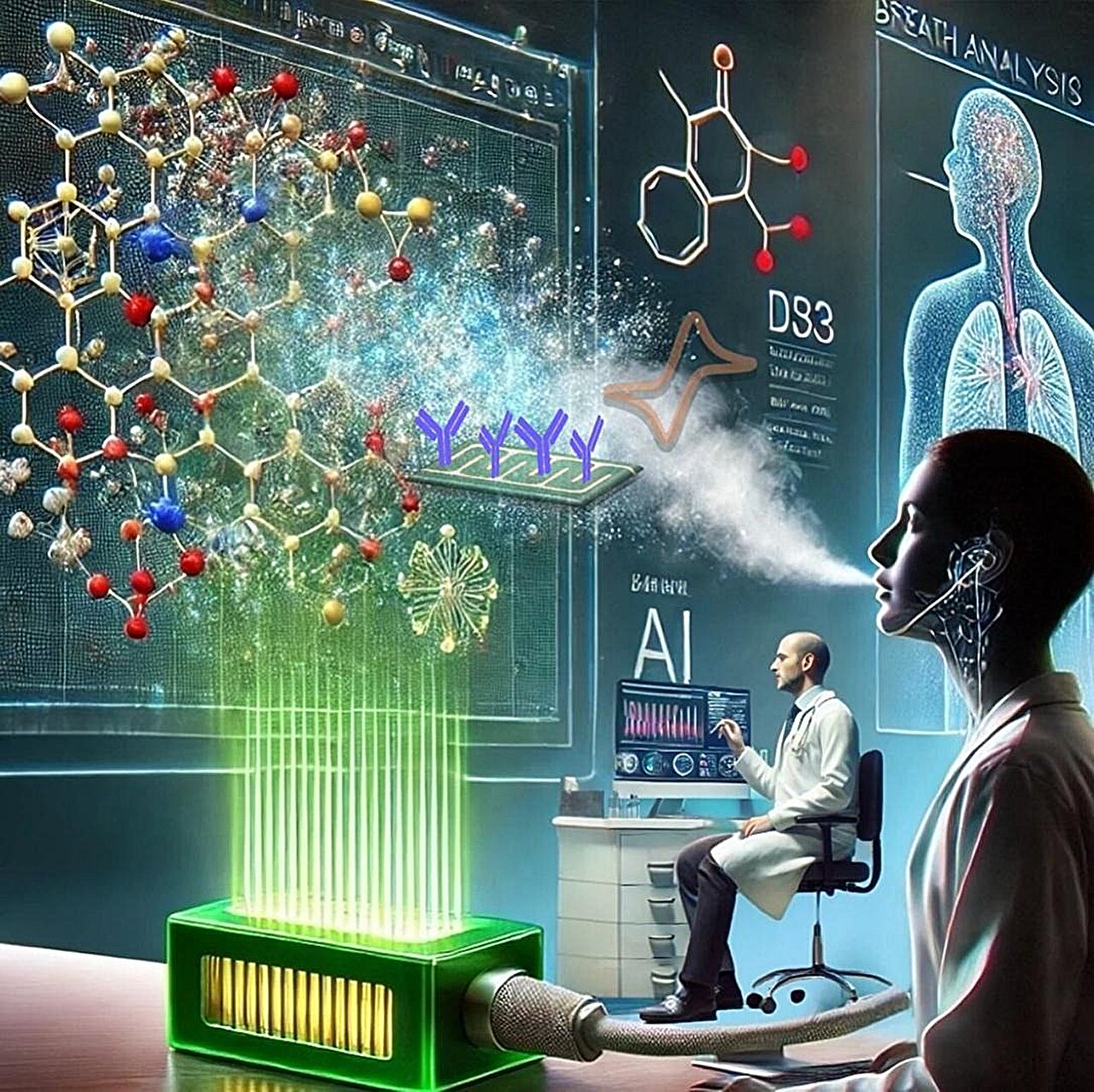
Researchers from the University of Texas at Dallas have created a biosensor system that, when used with artificial intelligence (AI), has potential for identifying lung cancer by analyzing breath samples.
Subscribe to our newsletterfor the most recent science and technology news updates.
The electrochemical biosensor detects eight volatile organic compounds (VOCs) that may serve as indicators for thoracic cancers, such as lung and esophageal cancers. AI subsequently examines the biochemical properties of these compounds to see if they align with those associated with different types of thoracic cancers.
We developed a screening tool that enables doctors to detect the disease at an early stage, which enhances results,” said Dr. Shalini Prasad, professor and head of the bioengineering department at the Erik Jonsson School of Engineering and Computer Science. “This technology provides a potentially cost-effective, fast, and noninvasive breath analysis method for cancer detection.
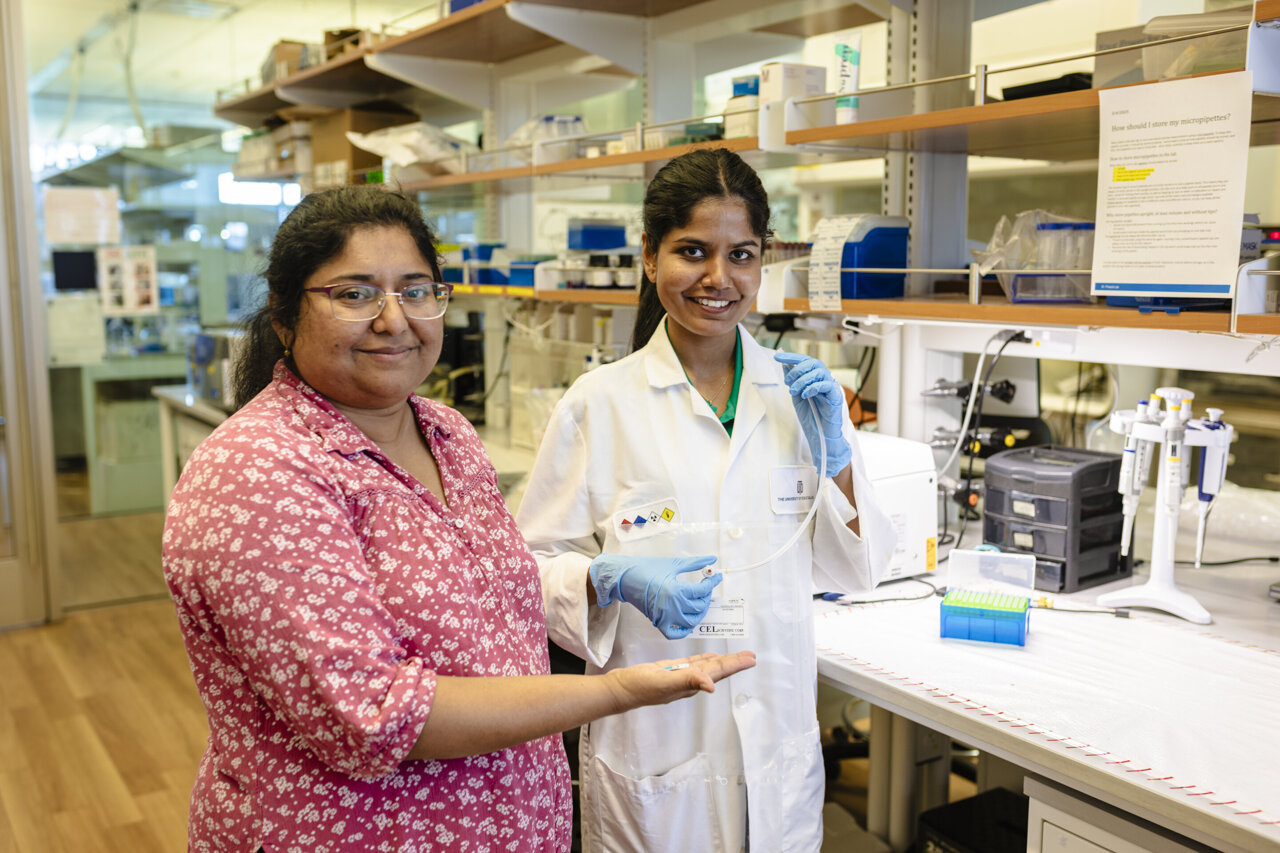
The initiative involves a partnership between bioengineering and computer science experts from UT Dallas and a clinical research group from UT Southwestern Medical Center. The researchersdescribedthe technology featured in the August edition ofSensing and Bio-Sensing Research.
The electrochemical apparatus was evaluated using breath samples from 67 individuals, among them 30 who had thoracic cancer confirmed through biopsy. The system correctly detected the VOCs in 90% of the diagnosed cancer cases.
The idea for the device emerged during the COVID-19 pandemic.
At that time, there was significant interest in noninvasive technologies capable of quickly screening and identifying the spread of COVID,” said Prasad, the study’s lead author and a Cecil H. and Ida Green Professor in Systems Biology Science. “The use of breath became highly appealing because it passes through our respiratory system and contains metabolites, which serve as markers for disease.
Alterations in metabolites found in exhaled breath may appear at the early stages of a disease. This growing area known as breathomics holds promise for healthcare professionals to examine volatile organic compounds in breath to identify illnesses and track health status, according to Prasad. Artificial intelligence plays a key role in the diagnostic features of the UT Dallas team’s device.
A significant volume of data is generated by the breath,” Prasad mentioned. “What matters? What doesn’t? All this information is derived from the machine learning algorithm. That’s why collaborating with computer science is essential. How effectively you incorporate AI into a technology is crucial.
Prasad went to Dr. Ovidiu Daescu, a computer science professor and department head, as well as a Jonsson School Chair and co-researcher on the study, to refine the machine learning models and verify the methodology.
“The breathing analysis device along with the related machine learning model shows significant promise in enhancing cancer detection while reducing expenses, provided that more cases are tested and confirmed in medical environments over time,” Daescu stated.
The scientists also collaborated with Dr. Muhanned Abu-Hijleh, a professor of internal medicine within the division of pulmonary and critical care medicine at UT Southwestern.
Lung cancer is the top cause of cancer-related deaths in the U.S. and globally,” noted Abu-Hijleh, an interventional pulmonologist who also serves as the medical director of respiratory therapy and head of the chronic obstructive pulmonary disease clinic and program. “Employing minimally invasive techniques such as biomarkers and analysis of exhaled volatile-organic compounds can aid in the early identification of thoracic cancers, with reduced impact on patients and the healthcare system, resulting in lower overall illness rates.
Prasad mentioned that the team will keep developing the device, along with pursuing additional clinical verification.
Eventually, this technology might be used in your main healthcare provider’s office,” she said. “So just like you visit for an annual checkup and have a blood test, you could also take a breath test. Then, your primary care provider could offer advice to the patient if the results are high, such as suggesting a follow-up appointment.
More information:Anirban Paul and others, Electrochemical breath profiling for the early detection of thoracic malignancies,Sensing and Bio-Sensing Research (2025). DOI: 10.1016/j.sbsr.2025.100815
Provided by the University of Texas at Dallas
This narrative was first released onMedical Xpress.





Leave a Comment